

Injection Mold Tooling Services
Hunter Custom Manufacturing designs, builds, and runs injection molds under one roof, so your tooling is engineered for the press it will run on from the very first review. With facilities in Tijuana, Mexico and San Marcos, California, and the engineering depth of Hunter Industries behind every project, we help manufacturers move from part design to production-ready plastic injection molding with fewer handoffs and less risk.
In-House Tooling That Keeps Your Program on Schedule
Most tooling delays come from the gaps between suppliers. One team designs the part, another builds the mold, and the molder discovers problems only after the tool arrives. Every handoff adds time, cost, and risk.
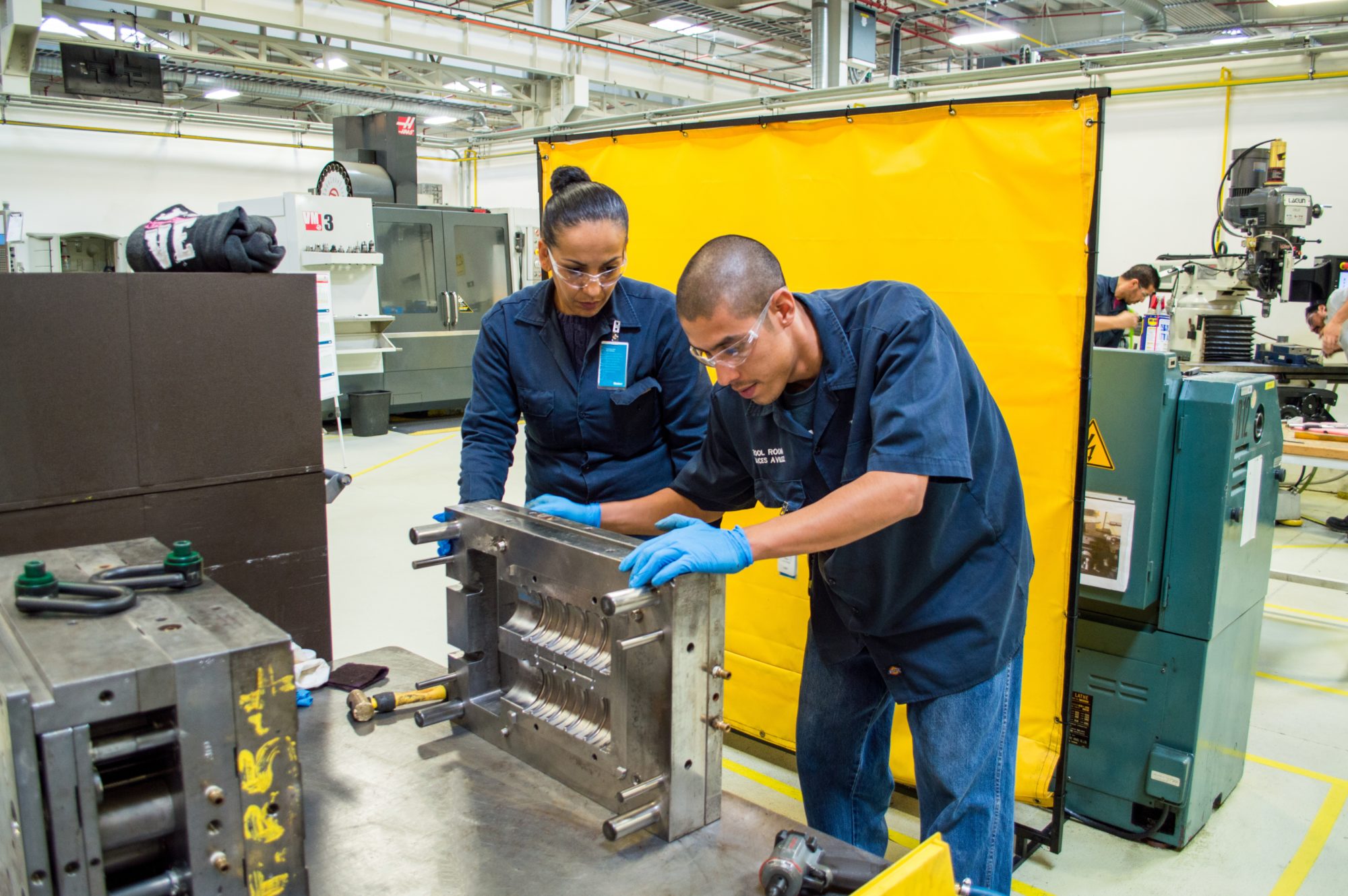
Our tooling team works side by side with the engineers who will run your production. Mold designers, toolmakers, and process engineers review the same part data and solve problems before steel is cut, not after. When a mold needs adjustment, the team that built it is already in the building.
For manufacturers rethinking overseas sourcing, our binational setup offers a practical alternative. Production runs in Mexico, U.S.-side engineering and program management stay involved at every stage, and shipping times to U.S. customers are a fraction of what tooling and production in Asia require.
How Our Injection Mold Tooling Process Works
Every project follows the same disciplined path from first review to full production. Here is what to expect at each step.
01
Design Review and DFM
We start with your CAD files, resin choice, and target volumes. Our engineers evaluate the part for manufacturability, flag features that could cause defects or slow cycle times, and recommend design changes early, when they cost the least. Mold flow analysis helps us plan gate locations and cooling circuits, which directly affect part quality, consistency, and output.
02
Mold Design and Build
Once the part design is approved, our team creates detailed 3D models and drawings for the mold, including the core and cavity halves, ejection, and cooling. Toolmakers then fabricate components using CNC machining, EDM, and precision grinding. Prototype tooling is often built from aluminum or softer steels for lower-volume runs, while production molds use hardened steels designed to hold up through high-pressure cycles.
03
Sampling, Trials, and Validation
Every new mold is trialed on the press before it goes into production. Initial test shots confirm the tool fills correctly and produces parts without defects. Samples are measured against your drawings, and you review and approve them before the mold is released.
04
Production and Ongoing Mold Support
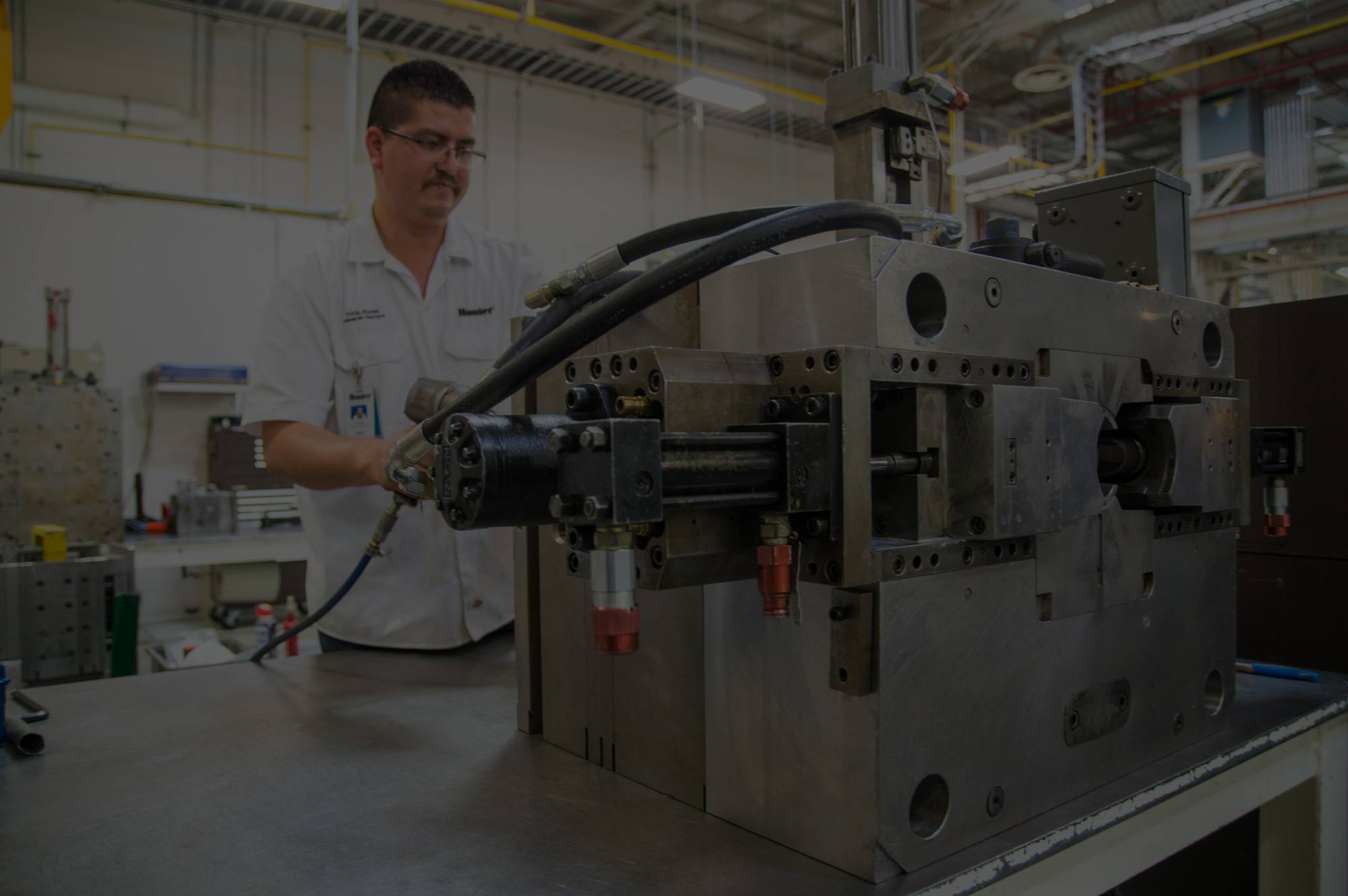
After approval, we qualify the process parameters and move your molds into production. Because our tooling team supports the production floor, preventive maintenance, cleaning, and repairs happen in house, which keeps molds running longer and keeps disruptions short.
Tooling Capabilities
Our mold designers and toolmakers handle the full range of tooling complexity, from simple prototype tools to high-precision multi-cavity production molds. Capabilities include:
Why Manufacturers Choose HCM for Tooling
Choosing a tooling supplier is really choosing a production partner. Here is what sets Hunter Custom Manufacturing apart.
Industries We Build Tooling For
Our tooling and molding team supports programs where quality, documentation, and reliable production matter.